 Learning a poem is a bit like falling in love with someone you’ve never met before (social media and Internet Dating now encourage us to do this all the time). Surely you’re going to be all Google-curious as to finding out what relation your love-object’s “real life” might bear to their “page/onscreen” persona? It’s only natural.
I wanted to know what it was like, and why, Hopkins trained and worked as a Jesuit priest. So I read the inquisitorial sounding Gerard Manley Hopkins: A Very Private Life rather than a book of literary criticism.
The following tidbits are what I jotted down whilst reading. They’ve helped me to live the poem more fully.
THINGS I’VE LEARNT ABOUT HOPKINS’ JESUIT TRAINING
1) No wonder of it: Upon entering the novitiate at Manresa, each novice was issued with a “hat and ancient sleeveless, knee-length gown, so stained and worn with age, that many of their wearers remembered their distaste until the end of their days.” These were particularly “repugnant” to Hopkins, Martin suggests, as in his pre-Jesuit life he was something of a dandy. He probably also would have been dwarfed by his habit, being of a very small frame.
2) Sheer plod: Daily routine was as follows -5:30 Rise. 6:00 Chapel and meditation. 7:45 Breakfast. 8:30 Reading Rodriguez on Christian Perfection. 9:00 Learning by heart Instructions on the rules of the Society + bed-making and daily chores. 10:30 Free time for walking, praying, reading a (spiritual) book. 11:30 Manual work (weeding, sawing logs etc.) in the grounds. 12:30 Chapel for examination of conscience and prayer. 1:00 Dinner. 1:45 Quick visit to chapel. 2:00 ‘Recreation’. 3:00 Either more domestic or manual work, or a two hour walk with a companion assigned to you on a random basis. Occasionally cricket or football. 6:00 Chapel (meditation and prayer recitation), and free time. 7:30 Supper. 8:00 Recreation (some of which had to be conducted in Latin). 9:00 Chapel and preparation for the next day’s meditation. 10:00 Examination of conscience and lights out. [1]
3) Makes plough: Don’t even think about it. The novices were given “modesty powder” for their baths to make the water opaque.
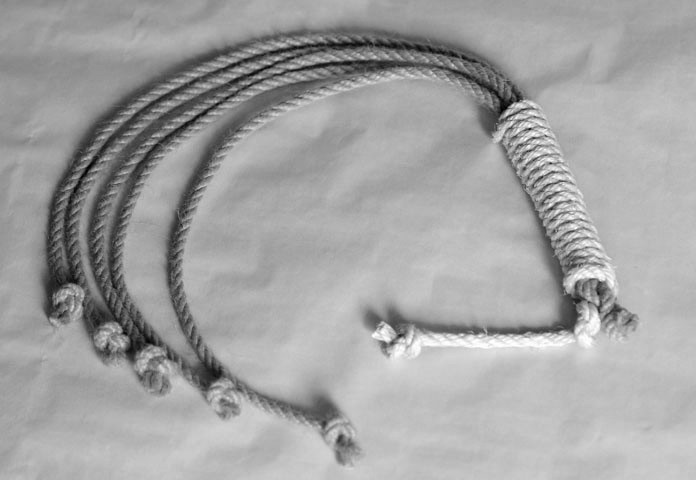
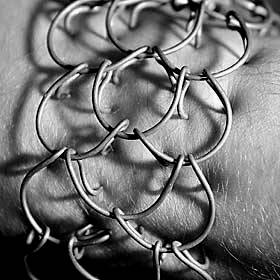 4) Down sillion: Hopkins suffered from chronic diarrhoea. In 1872 he had to have a haemorroidectomy, and five years later, a circumcision due to ulceration following on from painful phimosis and balanitis. When his body wasn’t “naturally” tormenting him, he was encouraged to flog himself daily with a “discipline”, or wear a cilice: “a neat contraption of wire, horse-shoe links with points turning inwards, which you strapped around your thigh next to your skin. The pain, which was dulled at rest, became intense when the leg was flexed or accidentally brushed against the seat of chair.”
3) Shine: The rutting stags in Richmond Park “kept the novices uneasily awake during the mating season”.
- Imagine doing this everyday for the rest of your life. This really does read like sheer, sheer plod. Other times: the bliss of codification, regulation, and control.↵